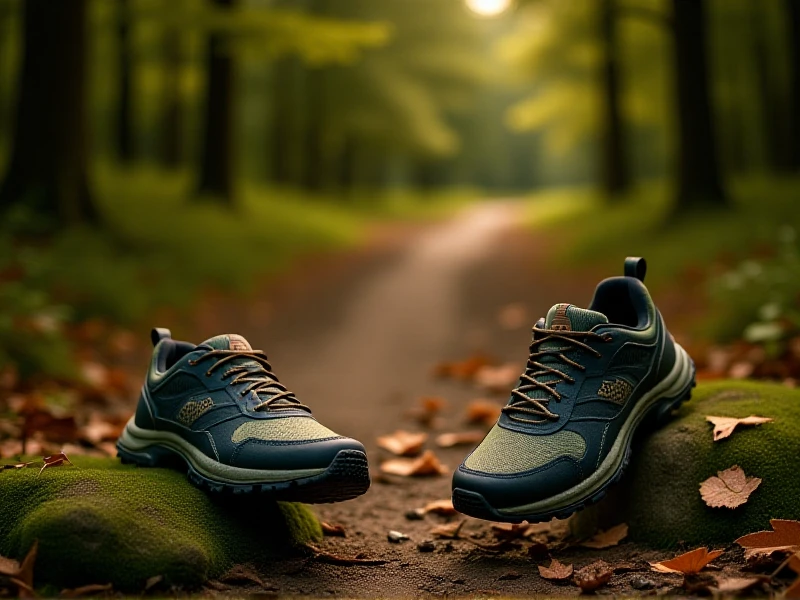
The Ultimate Guide to Choosing Outdoor Shoes for Every Terrain
Finding the perfect pair of outdoor shoes can make or break your adventure. Whether tackling muddy trails, rocky peaks, casual walks, or light hikes, the right footwear provides the support, protection, and grip you need to stay comfortable and safe. Understanding the key features is essential for making an informed choice.
Terrain Dictates Technology: The first question is: where are you walking? Lightweight trail runners excel on dry, well-groomed paths, offering agility and breathability. Rugged hiking boots are built for demanding off-trail excursions, carrying heavier loads, and navigating unstable surfaces. Approach shoes bridge the gap, offering climbing-inspired grip on steep, rocky terrain.
Grip is Non-Negotiable: The sole is critical. Look for deep, multi-directional lugs made from sticky rubber compounds (like Vibram® Megagrip) for confident traction on loose dirt, wet roots, and slick rock. Aggressive lug patterns shed mud effectively, preventing slippery build-up. The tread depth and pattern should match your primary terrain.
Protection From the Elements: Outdoor shoes need to shield your feet. Waterproof membranes like GORE-TEX®, OutDry™, or eVent® are essential for wet conditions, keeping feet dry from streams and rain. Paired with abrasion-resistant uppers (nylon, leather blends, or reinforced synthetics), they fend off scrapes, debris, and moisture ingress. For warm, dry adventures, prioritize non-waterproof, highly breathable mesh options to prevent overheating.
Comfort & Support: All-day comfort relies on fit, cushioning, and stability. A supportive midsole provides shock absorption and energy return over long distances. An internal shank or rock plate protects your feet from sharp rocks underfoot. Heel counters and structured ankle collars (especially in boots) enhance stability and prevent rolling on uneven ground. Proper fit is paramount: toes shouldn’t jam forward on descents, and heels must stay locked in place to prevent blisters. Always try shoes on with the socks you intend to wear.
Fit Considerations & Drainage: For water-heavy activities (kayaking, canyoneering), consider water shoes or lightweight hiking shoes with excellent drainage ports, designed to let water out quickly. Ensure a secure, non-slip fit even when wet.
Pro Tips for Picking Your Outdoor Shoes:
- Fit First: Shop in the afternoon when feet are largest. Expect some "break-in" time for boots.
- Sock Synergy: Wear your intended hiking socks when trying them on.
- Match Your Goal: Don't overboot for easy trails, and don't underboot for mountains.
- Review Wear Points: Consider previous shoes' wear patterns. Do you need more arch support or heel cushioning?
- Traction Test: If possible, test the grip on a store's incline board.
Investing in quality outdoor shoes tailored to your specific adventures enhances safety, reduces fatigue, and makes exploring nature significantly more enjoyable. Know your terrain, prioritize grip and protection, ensure an impeccable fit, and step confidently into the wild. What matters most on your feet when you head outdoors?