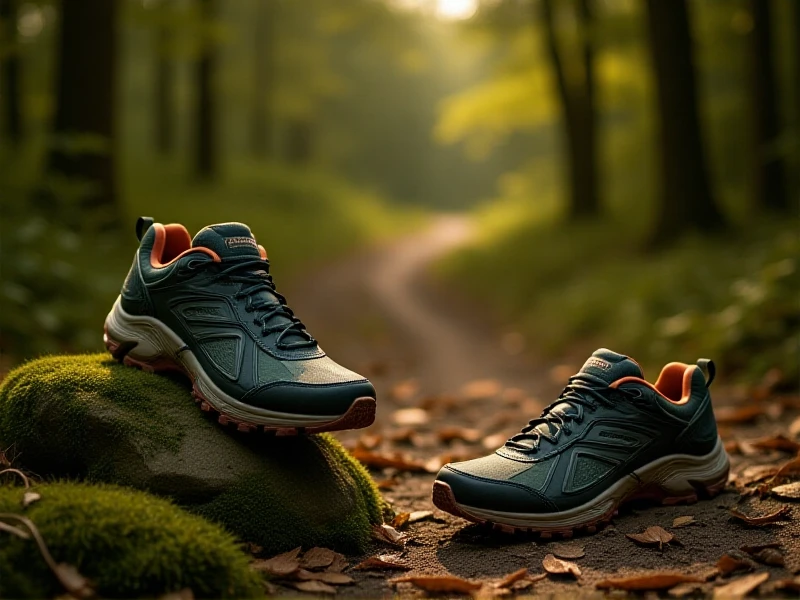
Finding the Perfect Running Shoes - Your Guide to Better Performance
Here is an SEO-optimized article targeting "Running Shoes":
Choosing the right running shoes is fundamental for every runner, whether you're tackling your first 5K or training for a marathon. The best running shoes blend comfort, support, and responsiveness, directly impacting your performance and helping prevent injuries. Understanding key features will empower you to make an informed choice.
At the core of great running shoes lies cushioning technology. Brands utilize a range of midsoles, from soft, plush foams like EVA and gel to responsive, energy-returning compounds like TPU or Pebax. The ideal cushioning level depends on your weight, running style, and distance preference – do you prioritize impact absorption or a snappy toe-off?
Equally crucial is stability or support. Many running shoes incorporate features like medial posts, firmer foam zones, or structured heel counters. If you experience inner knee pain or your ankles roll inward during your stride (overpronation), stability shoes are essential. Neutral runners, whose feet move naturally, often prefer lighter, more flexible models focusing purely on cushioning.
The outsole pattern dictates grip and durability. High-traction rubber lugs are vital for trail running shoes navigating mud or rocks, while road shoes feature patterns optimized for pavement and smoother surfaces. Look for durable rubber placed in high-wear areas like the heel and forefoot.
A proper fit is non-negotiable. Always try on running shoes later in the day when your feet are slightly swollen. Ensure about a thumb's width of space between your longest toe and the shoe's end. The heel should lock comfortably without slippage, and the midfoot should feel secure without pinching. Your foot shape dictates the ideal last shape – wider feet need specific options.
Consider your running environment. Lightweight racers excel on pavement but lack durability for trails. Hybrid options offer versatility. Rotating two pairs of running shoes with different properties can enhance foot strength and extend shoe lifespan.
Remember, even the best running shoes wear out. Most experts recommend replacing them every 300-500 miles. Tired midsoles lose their shock absorption and support, increasing injury risk.
Investing time in selecting the optimal running shoes tailored to your needs pays dividends in comfort, efficiency, and injury prevention on every run.
Frequently Asked Questions:
- How often should I replace running shoes? Typically every 300-500 miles. Monitor sole wear and any loss of cushioning.
- How much space should I have in my running shoes? Aim for about a thumb's width (around 10mm) between your longest toe and the end of the shoe.
- What’s the difference between stability and neutral running shoes? Stability shoes offer extra support (like a medial post) to control overpronation. Neutral shoes lack additional support devices, suitable for runners with a neutral gait.
- Can running shoes help with knee pain? Properly fitted running shoes, appropriate to your gait and foot type, can significantly reduce impact forces that contribute to knee pain. Consult a specialist store or physio.
- Where should I buy my running shoes? Consider visiting a reputable specialty run store for gait analysis and expert fitting advice. Ensure you try them on with your usual running socks.