Top Running Shoes for Peak Performance in 2024: Your Guide
****
Choosing the right running shoes is the single most critical gear decision you'll make as a runner. Your feet impact the ground thousands of times per mile; the right footwear provides essential comfort, critical support, and vital injury prevention, directly impacting your enjoyment and performance. But navigating the vast selection of running shoes available can feel overwhelming. Here's what truly matters:
- Cushioning & Shock Absorption: This is fundamental. Quality running shoes feature advanced midsole cushioning technologies (like EVA foam, TPU, or proprietary blends such as Nike Air Zoom, Brooks DNA LOFT, ASICS GEL) designed to absorb impact forces. If road running is your primary focus, prioritize ample cushioning. For trail runners, consider shoes offering protective rock plates alongside cushioning.
- Fit is Paramount: Forget your casual shoe size. Running feet swell. Get professionally measured (length AND width - including heel-to-arch and arch-to-toe metrics) later in the day. Ensure about a thumbnail's width of space beyond your longest toe. Pay crucial attention to heel security and sufficient midfoot volume to eliminate slippage or pressure points. Try potential pairs on towards the end of the day and test them on an in-store treadmill.
- Know Your Surface: Running shoes are engineered for specific terrain:
- Road Running Shoes: Designed for pavement and harder surfaces. They offer maximum cushioning and flexibility.
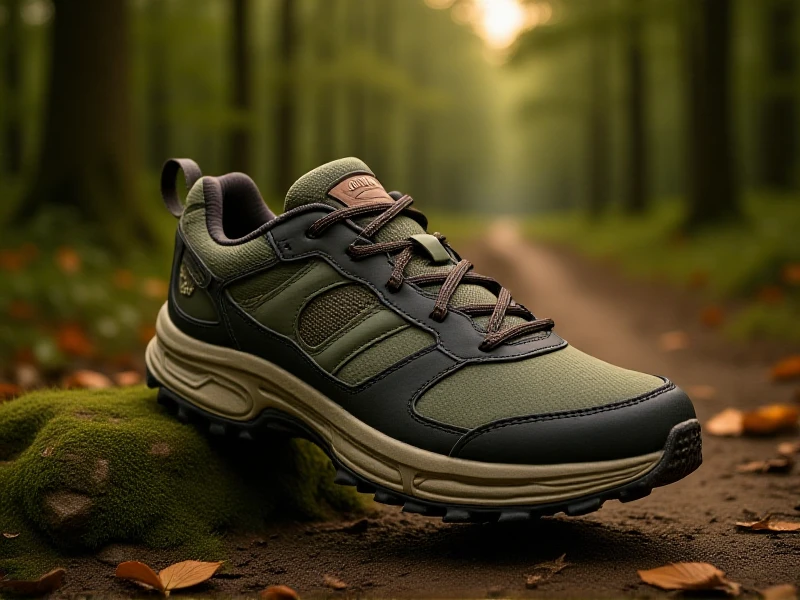
- Trail Running Shoes: Feature aggressive outsoles for superior grip on dirt, mud, and rocks, often including rock plates for protection and enhanced stability. They typically provide moderate cushioning.
- Cross-Training/Hybrid: A versatile option if your routine mixes running, gym work, and varied activities, though they offer less specialized running performance than dedicated road or trail models.
- Understand Your Foot & Gait: Identify if you need additional support features:
- Stability Shoes: Ideal for mild to moderate overpronators (foot rolling inward excessively). They incorporate firmer posts in the midsole. Brands like Brooks, Saucony, and ASICS excel here.
- Motion Control Shoes: Offer maximum support and structure for significant overpronation and lower limb alignment issues.
- Neutral Cushioned Shoes: Best for runners with neutral mechanics or mild supination (underpronation). These provide pure cushioning without added medial support. Models from HOKA, New Balance, and Nike fall here.
- Minimalist/Barefoot: Promote a natural foot strike with minimal cushioning and low drop from heel to toe.
- Racing Flats: Ultra-lightweight for speed, prioritizing responsiveness and ground feel over cushioning and long-term durability.
- Breathability & Upper Construction: Look for engineered mesh uppers with strategic overlays. These provide crucial breathability to keep feet cool while offering essential support and a secure, adaptive fit. Seamless designs minimize chafe and hot spots.
Finding Your Perfect Pair
Never prioritize style over function when buying running shoes. Your biomechanics and training context dictate the ideal choice. Visit a reputable running specialty store for expert gait analysis and fitting. Be transparent about your mileage, current issues like ankle pain or knee pain, running goals, and budget. Don't hesitate to try numerous pairs. The right running shoes should feel comfortable from the very first stride, enabling you to run longer, stronger, and injury-free. Invest wisely in your comfort – your feet (and overall running experience) truly depend on it.