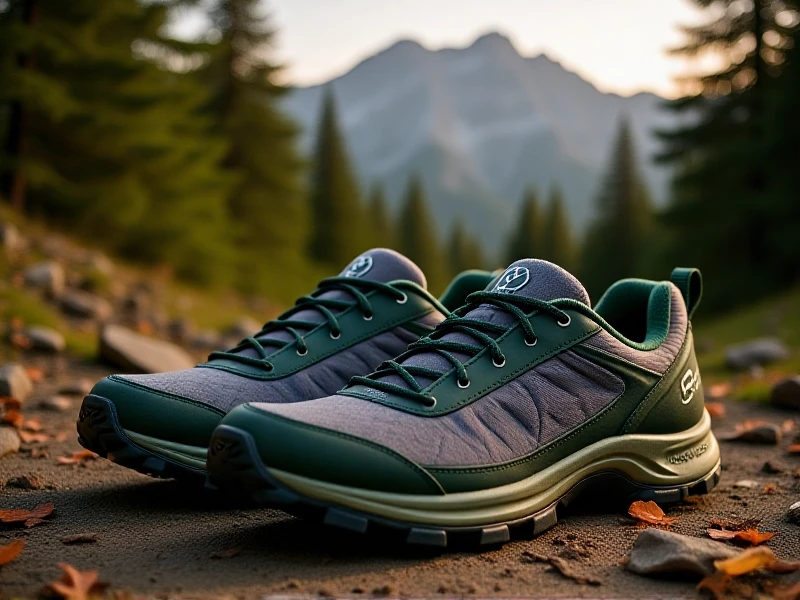
Finding Your Perfect Pair: The Ultimate Running Shoe Guide
Choosing running shoes is arguably your most critical running decision. The right pair propels you forward comfortably and safely, while the wrong fit can derail your training with blisters, aches, or worse. With countless options boasting cushioning, stability, speed, and durability, navigating the running shoe market feels overwhelming. Let’s break down the essentials running shoes offer to help you find your ideal match.
Your foot's natural movement is key. Running shoes primarily come in three support categories:
- Neutral/Cushioned: Designed for runners with efficient strides needing minimal foot support. They maximize shock absorption. Ideal for high arches or runners without significant overpronation. Examples focus on plush, responsive cushioning.
- Stability: These running shoes provide moderate arch support and structure to correct mild to moderate overpronation (where the foot rolls inward excessively). They ensure alignment without being rigid. Best for normal to slightly flattened arches.
- Motion Control: Offering maximum support and structure, these combat severe overpronation. They’re firmer and heavier, prioritizing guidance and stability for low arches or heavier runners needing robust support.
Fit is Non-Negotiable:
Beyond support type, precise running shoe fitting is vital. Always try shoes on later in the day when feet swell slightly. Ensure a thumb's width of space between your longest toe and the shoe's end. The midfoot should feel secure, not constricted, and the heel should lock in without slipping.
Know When to Retire:
Even the best running shoes wear out. Most models provide optimal support and cushioning for 300-500 miles. Signs you need new ones? Noticeable tread wear, midsole compression feeling much firmer than when new, or recurring aches (knee, shin) that weren't present before. Don’t log excess miles in dead shoes.
Beyond the Basics:
- Cushioning: From maximally plush to minimally firm; impacts feel and responsiveness.
- Drop: The heel-to-toe height difference. Lower drops encourage a more natural midfoot strike; higher drops offer more heel cushioning.
- Outsole: Rubber types and patterns vary; deeper lugs for trails, flatter patterns for roads.
The Final Step:
Your best running shoes feel comfortable immediately - no "breaking in" should be painful. Don't hesitate to get professionally fitted at a specialty running store where experts analyze your gait and foot type. Investing in the perfect running shoes tailored to your unique stride transforms running from a chore into pure joy. Find yours, get laced up, and hit the pavement with confidence.